Unbanked: How Fintech Is Reaching the 1.4 Billion People Without Bank Accounts
More than unbanked, people who don’t have access to a bank account or formal financial services. Also known as financially excluded, they’re often left out of the global economy—not because they don’t want to participate, but because banks won’t serve them. This isn’t a problem in just one country. It’s global. In Africa, South Asia, and Latin America, families rely on cash, informal lenders, or barter because traditional banks require ID, minimum balances, or physical branches they can’t reach. But something’s changing. Fintech is stepping in where banks won’t go.
Take digital wallets, mobile-based platforms that let people send, receive, and store money without a bank account. In Kenya, M-Pesa turned phones into bank accounts for millions. In India, UPI lets people pay for groceries with a QR code—even if they’ve never set foot in a bank. These tools don’t need credit scores. They don’t need paperwork. They just need a phone. And that’s why they’re working. Earned wage access, a system that lets workers get paid as they earn, not just on payday. is another game-changer. It’s not a loan. It’s not debt. It’s just getting your own money faster, which keeps people out of predatory payday loans. And it’s growing fast, especially in places where pay cycles are irregular or wages are low.
These aren’t just nice ideas—they’re solving real problems. The unbanked aren’t waiting for banks to catch up. They’re skipping them entirely. Mobile money is now bigger than cash in some countries. Mobile banking, using apps to manage money on a smartphone without a traditional bank. is becoming the default for people who’ve never had a checkbook. And the data shows it: when people get access to digital financial tools, they save more, spend smarter, and recover faster from shocks like illness or crop failure.
What you’ll find below isn’t theory. It’s real tools, real cases, and real people using fintech to build financial security without ever opening a bank account. From CBDC pilots in emerging markets to apps that help seniors send money home, these posts show how the financial system is being rebuilt from the ground up—for those who were never invited to the table in the first place.
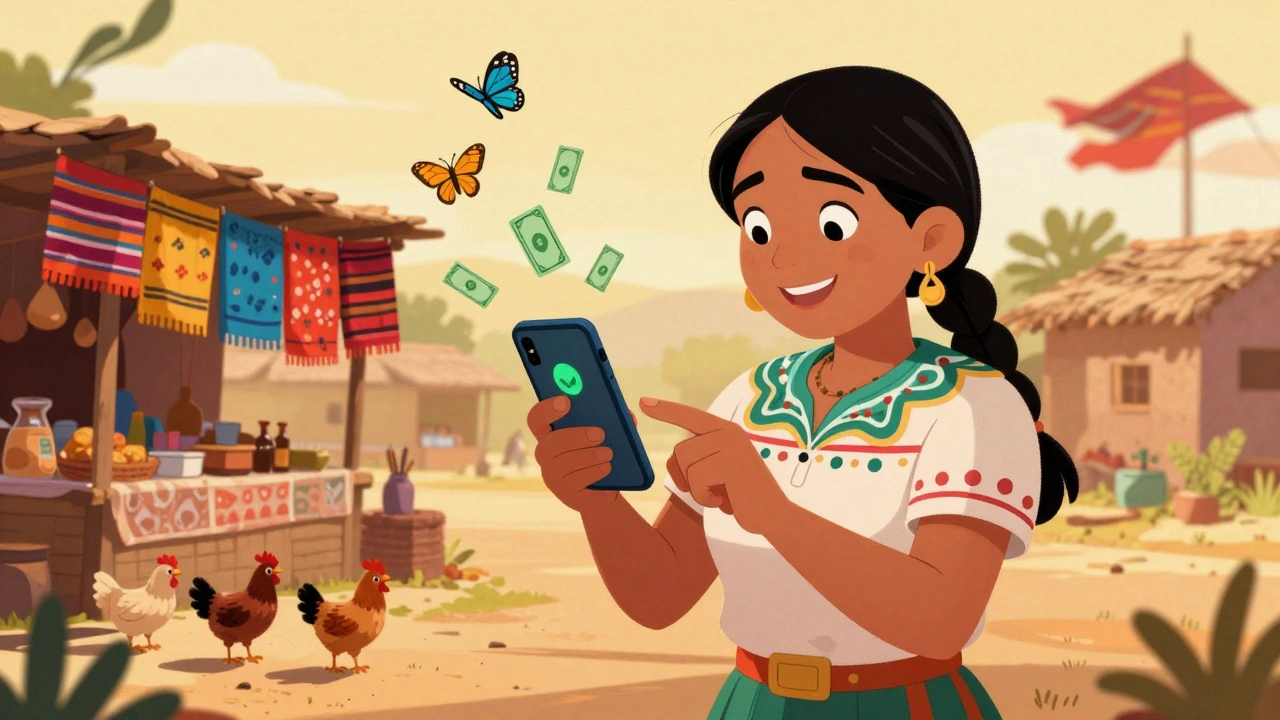
How Fintech Is Democratizing Access to Financial Services
Fintech is breaking down barriers to banking for 1.7 billion unbanked adults worldwide. With mobile money, AI lending, and zero-fee apps, people in rural areas and developing economies are finally gaining control over their finances.