Touch ID: How Biometric Security Protects Your Financial Apps
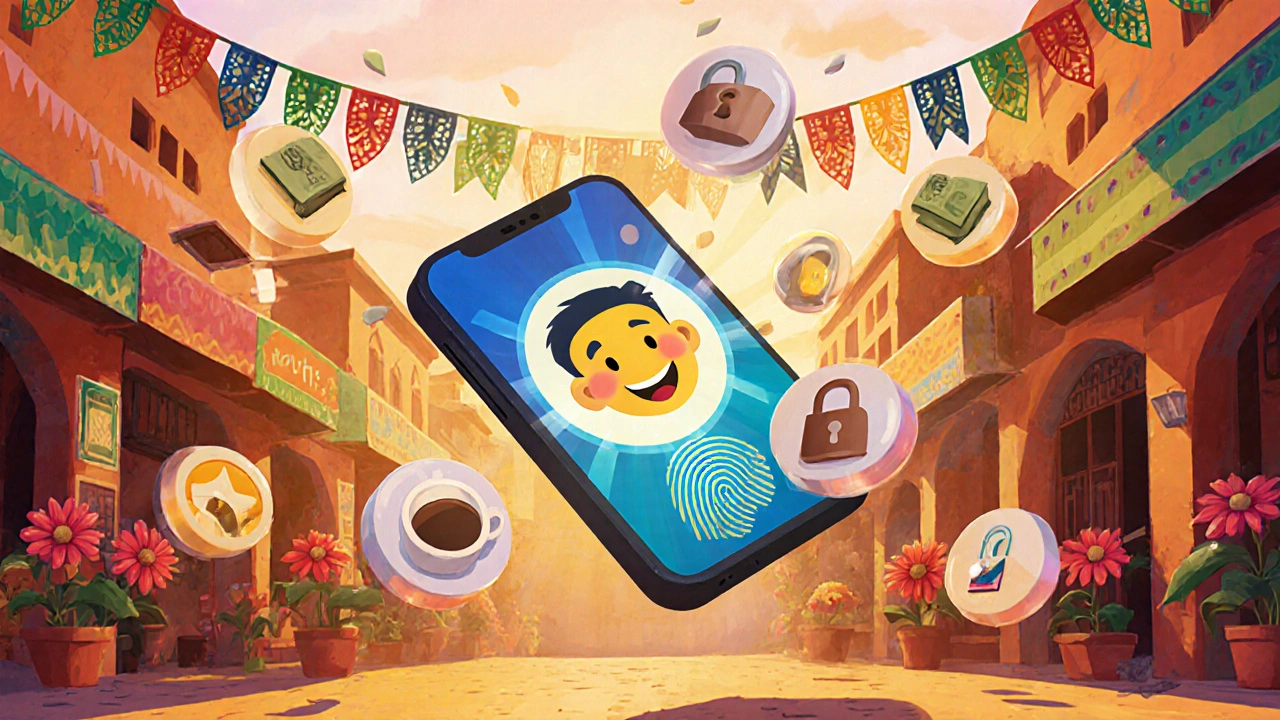
When you place your finger on your phone to unlock your brokerage app, you’re using Touch ID, a biometric authentication system that reads your fingerprint to verify your identity. Also known as fingerprint authentication, it’s one of the most common ways people secure access to their money on mobile devices—faster than typing a password and harder for hackers to crack. But Touch ID isn’t just about convenience. It’s a critical layer in mobile payment security, the practice of protecting financial transactions on smartphones and digital wallets. Every time you use Apple Pay, Cash App, or your bank’s app, Touch ID acts as a gatekeeper. It doesn’t store your fingerprint as an image—it turns it into a mathematical code that lives only on your device. That’s why losing your phone doesn’t mean losing your money, as long as your fingerprint is the only way in.
But Touch ID isn’t foolproof. It’s part of a bigger system called biometric security, the use of unique biological traits—like fingerprints, faces, or irises—to confirm who you are. While your fingerprint is unique, it’s not secret. Someone could lift it from a glass or fake it with a high-res photo. That’s why the best apps don’t rely on Touch ID alone. They combine it with device encryption, session timeouts, and fraud detection. You’ll see this in posts about digital wallet safety, how apps like Google Pay and PayPal guard your money from scams and breaches. For example, if your phone is stolen and someone tries to use Touch ID five times in a row, the system locks down and asks for your passcode. That’s not a flaw—it’s a feature.
What’s clear from the posts below is that security isn’t just about tech—it’s about behavior. People who use Touch ID but leave their phones unlocked in public, or who reuse the same PIN across apps, are still at risk. The strongest protection comes from combining hardware (like Touch ID), software (app-level encryption), and habits (not sharing devices). You’ll find real-world breakdowns of how fraudsters bypass biometrics, why some apps disable Touch ID after a reboot, and how to check if your broker’s app follows Apple or Android’s security best practices. Whether you’re new to mobile investing or have been trading from your phone for years, understanding how Touch ID really works helps you spot weak spots before they’re exploited.
Biometric Authentication: Fingerprint vs Face Recognition for Secure FinTech
Fingerprint and face recognition are the two leading biometric methods in fintech security. Learn how they work, where they fail, and which one you should trust for your money in 2025.