Retail Economics: How Consumer Behavior Drives Markets and Money
When you buy coffee, swipe your card for groceries, or use Apple Pay to split a bill, you’re participating in retail economics, the study of how individual buying decisions shape national and global financial systems. Also known as consumer economics, it’s not just about sales numbers—it’s about the real choices people make every day that move markets, influence interest rates, and determine which companies thrive or fail. This isn’t theory. It’s what drives everything from stock prices to app design to how your broker manages cash sweeps.
Consumer behavior, the psychological and social factors behind why people buy what they buy is the engine of retail economics. When inflation hits, and you skip the brand-name cereal for the store brand, that’s consumer behavior changing demand. When millions start using micro-investing apps to round up purchases, that’s behavior shifting capital flows. These patterns don’t just show up in census data—they show up in your brokerage account, in the way fintech apps like Venmo or Cash App design their features, and in how banks adjust their cash sweep interest rates. The same people who avoid commission-based advisors because they don’t trust hidden fees are also the ones who choose paid finance apps over freemium ones—because trust matters more than price.
Spending patterns, the predictable ways households allocate money across categories like housing, food, and entertainment reveal what’s really happening beneath the surface of GDP reports. If people are cutting back on dining out but spending more on home fitness gear, that’s not just a trend—it’s a signal to investors in REITs, e-commerce logistics, or digital health apps. Retail economics connects these dots. It explains why industrial REITs are booming as e-commerce reshapes warehouse demand, and why mobile payment security tools are now a must-have feature—not a bonus. It’s why brokers now offer FDIC-insured cash sweeps: because more people are holding idle money in their trading accounts, and that’s a direct result of how they manage daily spending.
What you’ll find here isn’t abstract economics. It’s the real-world impact of everyday decisions. From how biometric authentication builds trust in digital wallets, to how AI in credit models tries to predict your next purchase, to why shared wallets between couples are changing household budgeting—every post ties back to how people actually use money. You won’t find jargon here. Just clear explanations of how your choices ripple through the financial system—and what that means for your portfolio.
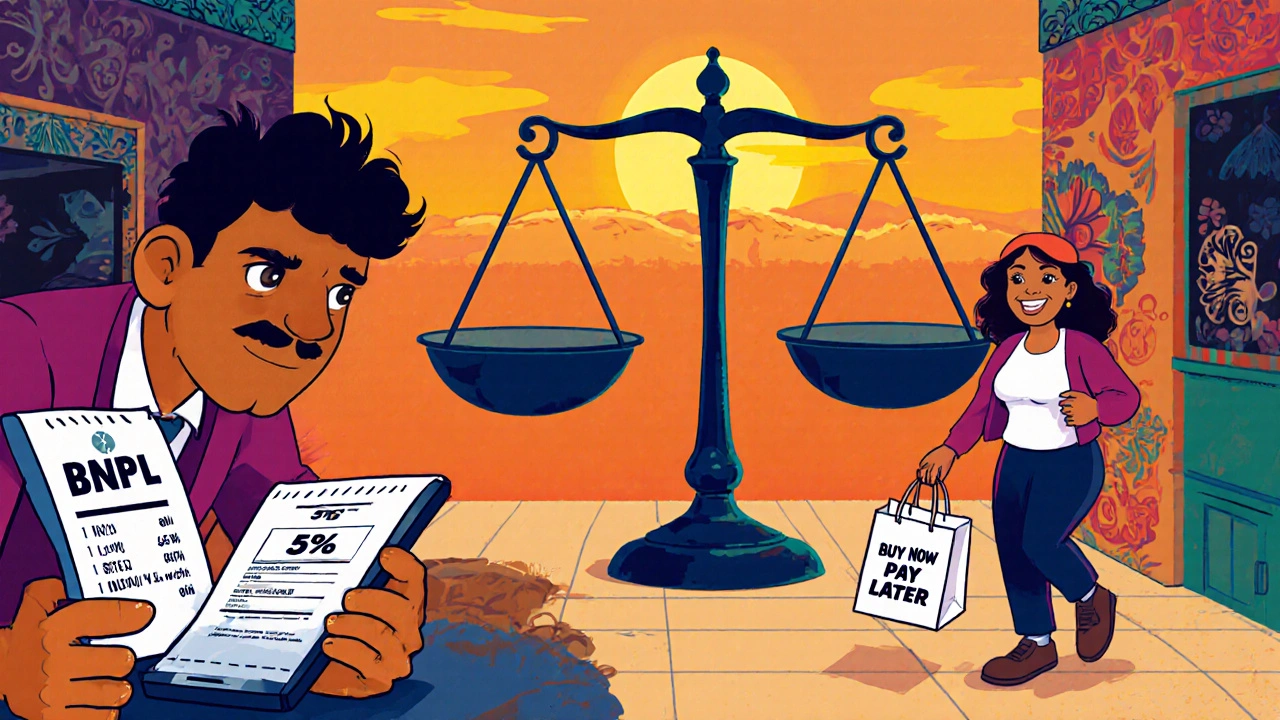
BNPL Merchant Fees: How Installments Are Reshaping Retail Profit Margins
BNPL merchant fees average 4-6%, far above credit card rates, but retailers use it because it boosts sales by 20-40%. Learn how to use BNPL without killing your margins and what’s changing in 2025.