Pump and Dump: How Scams Trick Investors and How to Avoid Them
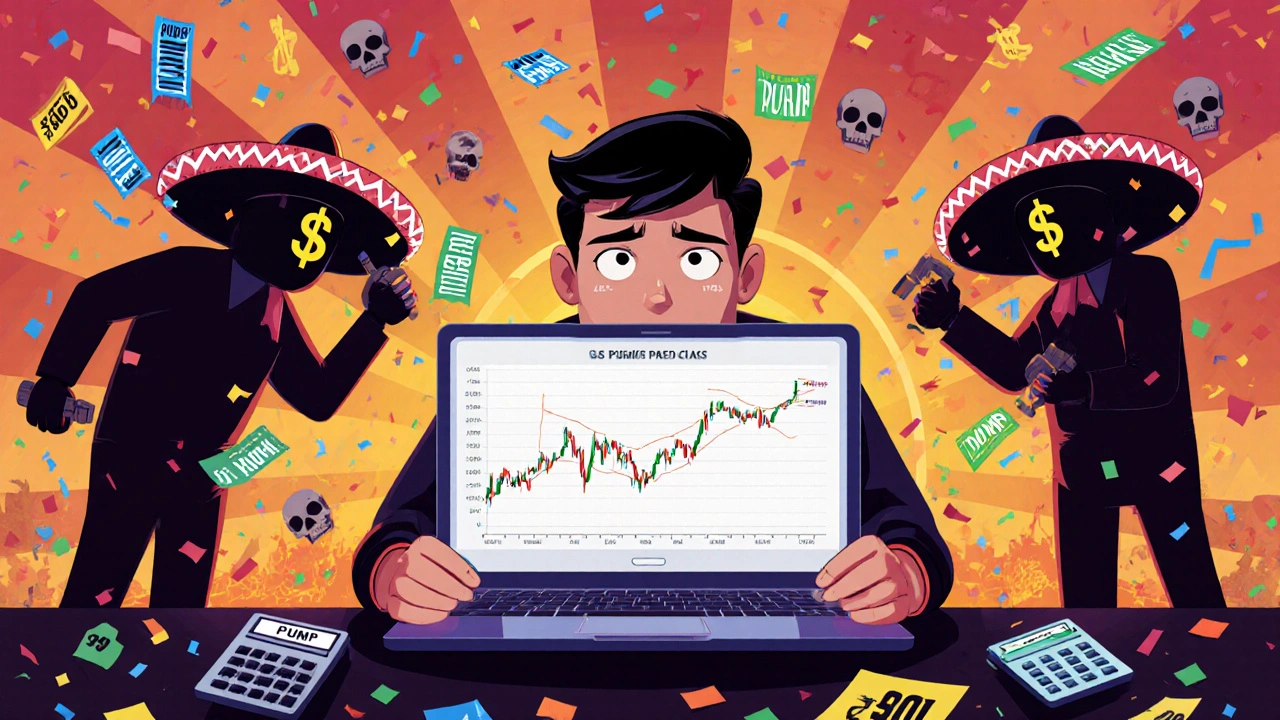
When you hear about a stock suddenly surging 200% in a day—with no news, no earnings, no real reason—it’s probably a pump and dump, a fraudulent scheme where promoters artificially inflate a stock’s price through false or misleading statements, then sell their shares at the peak. Also known as stock manipulation, it’s one of the oldest tricks in the book, and it’s still working today—especially on social media and messaging apps. These aren’t rare events. The SEC files dozens of cases every year against people running these schemes, often targeting low-priced penny stocks, shares of small, often unknown companies that trade for under $5 and have little to no public information. They’re easy to manipulate because there’s no real liquidity or scrutiny. A few people tweeting "THIS STOCK WILL 10X!" can send prices flying—until the insiders dump their holdings and the price crashes.
Who gets hurt? Usually, people who see the hype, jump in fast, and don’t ask questions. They think they’re catching the next big thing. But in reality, they’re the last ones holding the bag. The promoters? They’ve already sold. And they don’t care if you lose money. The real danger isn’t just losing cash—it’s losing trust. After one bad experience, many investors stop trying altogether. But you don’t have to be a victim. The signs are obvious if you know where to look: sudden spikes with no news, aggressive promotion on Reddit or Telegram, claims of "guaranteed returns," and companies with no revenue, no products, or no real business. Securities fraud, the legal term for these schemes is punishable by fines and jail time—but that doesn’t help you recover your losses. Prevention is your only real defense.
There’s no magic tool to stop a pump and dump before it happens. But you can build habits that protect you. Never buy a stock because someone on TikTok says so. Check the company’s filings—even if it’s a tiny firm, the SEC requires basic disclosures. Look at trading volume. If a stock that usually trades 10,000 shares a day suddenly hits 5 million, something’s off. And if you see the same stock popping up everywhere at once, walk away. This isn’t about being skeptical for the sake of it. It’s about recognizing that the market rewards patience, not hype. The posts below show you exactly how these scams play out, how to spot them in real time, and what to do if you’ve already been caught in one. You’ll see real examples, broken-down case studies, and simple steps to keep your money safe—even when the noise is loud.
Penny Stock Trading: Hidden Costs and Common Scams to Avoid
Penny stock trading looks tempting, but hidden fees, poor liquidity, and rampant scams make it one of the riskiest ways to invest. Learn the real costs and how to avoid the most common traps.