Penny Stock Scams: How to Spot and Avoid Fake Promises in Low-Cost Stocks
When you hear about a penny stock scam, a fraudulent scheme targeting low-priced stocks with misleading promotions to inflate prices before crashing them. Also known as microcap fraud, it preys on people looking for quick gains without understanding how markets really work. These aren’t just risky investments—they’re often outright lies dressed up as golden opportunities.
Behind every penny stock scam is a pump and dump, a manipulative tactic where fraudsters buy cheap shares, spread false news to drive up demand, then sell their holdings at inflated prices. The people who buy in after the hype? They’re left holding worthless paper. These scams don’t need complex tech or insider access—they just need social media, email blasts, and a willing audience. You’ve probably seen the posts: "This $0.02 stock is about to explode!" or "Exclusive insider tip—buy before it hits $1!" They sound exciting, but they’re designed to trigger FOMO, not sound investing.
What makes these scams dangerous is how they mix real elements with lies. Yes, some penny stocks are legitimate small companies. But the ones targeted by fraudsters? They have no revenue, no audit history, and no transparency. The promoters never disclose they own the stock. They never mention the SEC warnings. And they never tell you that 95% of these stocks vanish within a year. Even if you’re not trading them yourself, you might get pitched by a friend who got "the inside scoop"—that’s how these scams spread.
Real investing doesn’t rely on whispers. It relies on facts: financial statements, management track records, and industry trends. The posts below show you how to recognize the red flags—like sudden volume spikes with no news, brokers pushing unlisted stocks, or promises of 10x returns in days. You’ll also learn how investment fraud, a broad category including fake brokers, forged documents, and phishing schemes tied to stock promotions overlaps with penny stock traps, and how to protect your account from being hijacked to enable these scams. This isn’t about avoiding all small stocks—it’s about avoiding the traps that pretend to be opportunities.
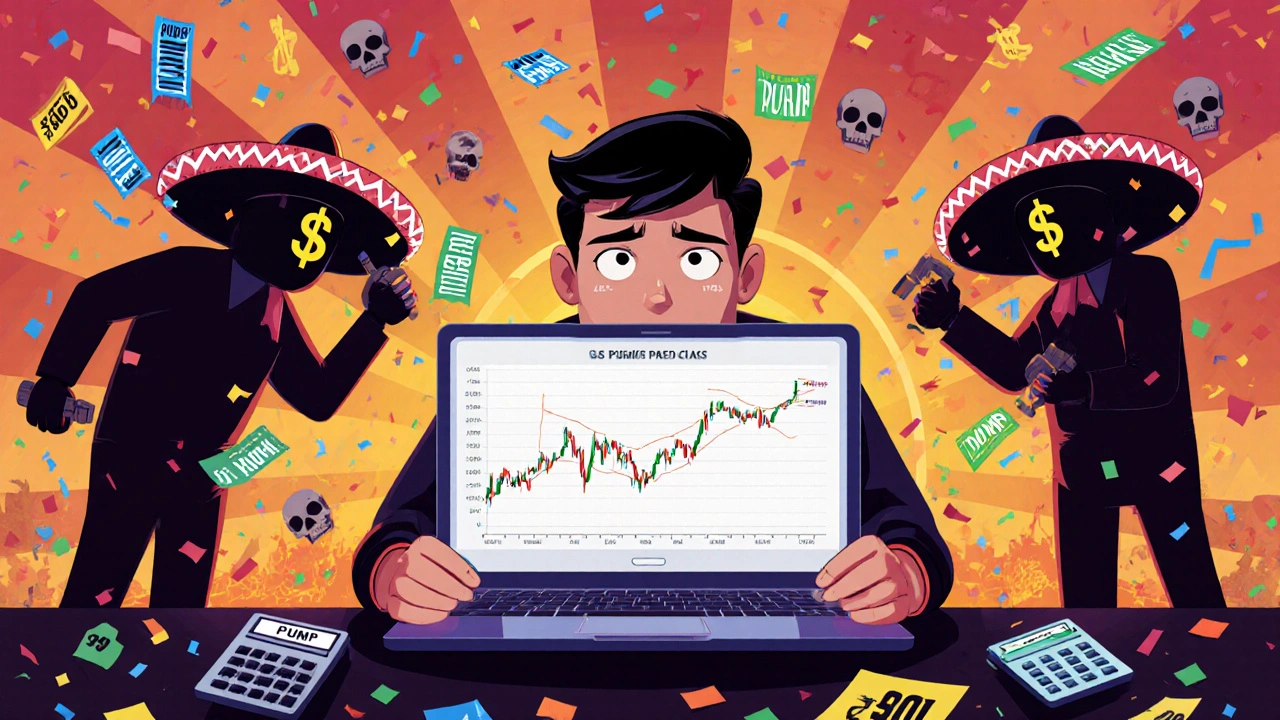
Penny Stock Trading: Hidden Costs and Common Scams to Avoid
Penny stock trading looks tempting, but hidden fees, poor liquidity, and rampant scams make it one of the riskiest ways to invest. Learn the real costs and how to avoid the most common traps.