OTC Stocks: What They Are, How They Work, and Where to Find Real Opportunities
When you buy OTC stocks, shares traded directly between buyers and sellers without going through a major exchange like the NYSE or Nasdaq. Also known as over-the-counter stocks, they’re often issued by smaller companies that don’t meet listing requirements or choose to avoid the cost and reporting rules of big exchanges. These aren’t the flashy tech giants you see on TV—they’re the quiet, sometimes obscure businesses trading on platforms like OTC Markets Group, which organizes them into tiers based on how much info they share with investors.
Not all OTC stocks are risky penny stocks, though that’s what most people think. Some are foreign companies that don’t list in the U.S., while others are startups waiting to qualify for a major exchange. Then there are the ones with no financials at all—just a ticker and a price. The key difference? Pink Sheets, the lowest tier of OTC trading where companies file little to no financial reports versus OTCQX, the top tier where companies must meet strict financial and disclosure standards. If you’re looking at a stock with no quarterly earnings, no auditor, and no website, you’re likely on Pink Sheets. That’s not a dealbreaker—it’s a warning sign.
Trading OTC stocks requires different tools. Most major brokers like Fidelity or Schwab let you buy them, but not all do. Some platforms restrict access entirely. You’ll also need to watch for liquidity—many OTC stocks trade just a few hundred shares a day. That means you might not be able to sell when you want to, or you’ll get a terrible price. And unlike listed stocks, there’s no centralized price feed. You’re relying on broker quotes, which can vary.
Why do people still trade them? Because some of the biggest winners started here. Think of companies like Amazon or Tesla before they went public—they were once tiny, unlisted businesses. Today, OTC markets still hold hidden gems: niche manufacturers, emerging biotech firms, or foreign companies with strong local dominance. But you need to dig. Check if the company files reports with the SEC, even if it’s not listed. Look for audited financials. See if there’s real volume, not just hype.
OTC stocks aren’t for everyone. But if you’re willing to do the work, they offer access to markets and companies you won’t find on the big exchanges. You’ll find brokers who specialize in them, platforms that track their performance, and strategies to manage the higher risk. Below, you’ll see real guides on how to evaluate them, which brokers actually let you trade them, and how to avoid the traps that cost most investors money.
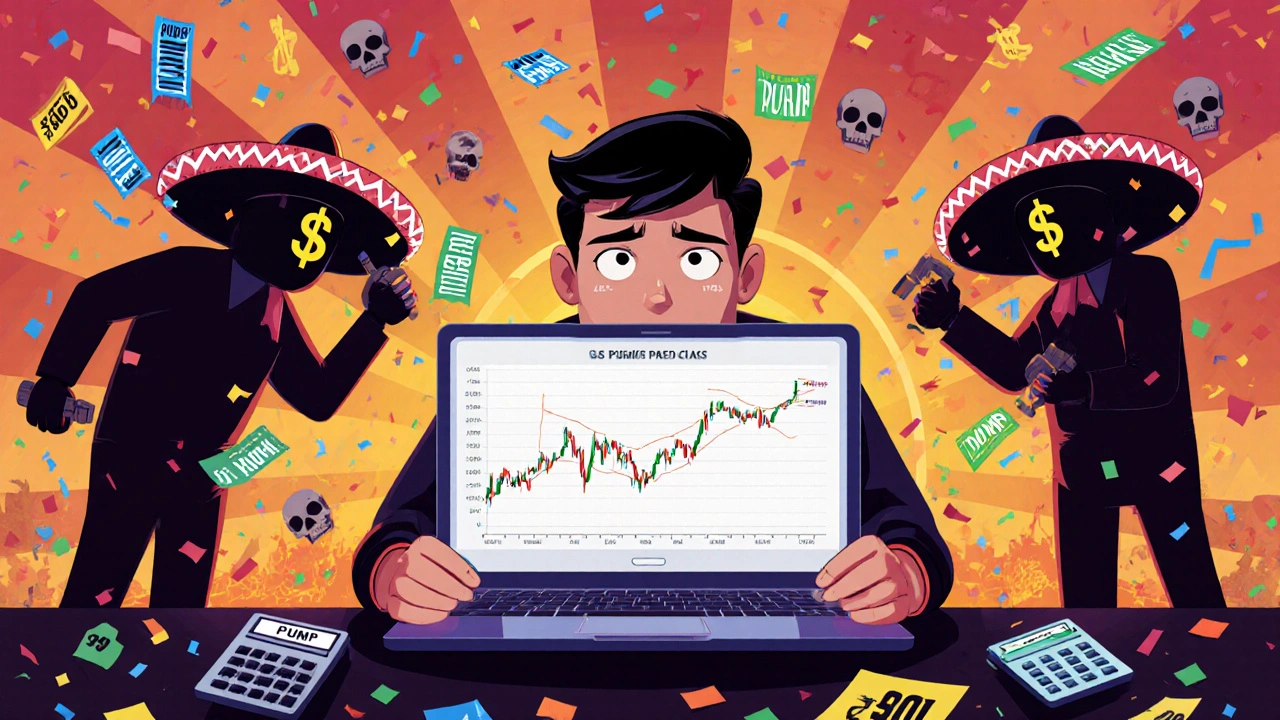
Penny Stock Trading: Hidden Costs and Common Scams to Avoid
Penny stock trading looks tempting, but hidden fees, poor liquidity, and rampant scams make it one of the riskiest ways to invest. Learn the real costs and how to avoid the most common traps.