Mobile Money: How Digital Payments Are Changing Finance in Emerging Markets
When you think of mobile money, a system that lets people send, receive, and store money using their mobile phones without a traditional bank account. Also known as digital wallet payments, it’s become the backbone of finance for over 1.4 billion people in Africa, South Asia, and Latin America. This isn’t just about paying for airtime anymore—it’s about replacing banks in places where branches are rare, ID requirements are strict, or trust in financial institutions is low. In Kenya, over 90% of adults use mobile money for everything from grocery bills to school fees. In Nigeria, it’s how small vendors get paid. In the Philippines, it’s how overseas workers send home cash without paying 10% in fees.
Mobile money doesn’t work alone. It’s tied to digital wallets, apps or platforms that hold funds securely on a phone and connect to local agents or bank systems like M-Pesa, GCash, or Wave. These wallets link to cross-border payments, the process of sending money between countries, often faster and cheaper than traditional wire services—something Wise and Thunes are now building on top of. And because these systems run on phones, they’re also tied to mobile payment security, the protections built into apps to prevent fraud, phishing, and unauthorized access. A lost phone isn’t a lost fortune if PINs, biometrics, and two-factor auth are in place. That’s why companies like MTN and Airtel spend more on security than on new branches.
What’s happening here isn’t just tech adoption—it’s financial inclusion on a massive scale. People who were once locked out of banking now build credit histories through transaction patterns. Small businesses get loans based on their mobile money flow, not collateral. Parents pay for school without cash. Farmers sell crops and get paid instantly. And governments? They’re using mobile money to distribute aid during crises—faster and with less corruption than cash handouts.
But it’s not perfect. Network outages can freeze payments. Agent networks can be unreliable in remote areas. And while fees are low, they add up for daily users. Still, the trend is clear: mobile money is replacing ATMs, cash registers, and even bank tellers in places where they never took root. The tools are here. The infrastructure is growing. And the people are using it—not because it’s trendy, but because it works.
Below, you’ll find real guides on how mobile money connects to digital wallets, cross-border payment systems, and the security measures keeping your money safe. Whether you’re sending cash to family overseas, running a small business in a rural town, or just trying to understand the future of finance, these posts cut through the noise and show you what actually matters.
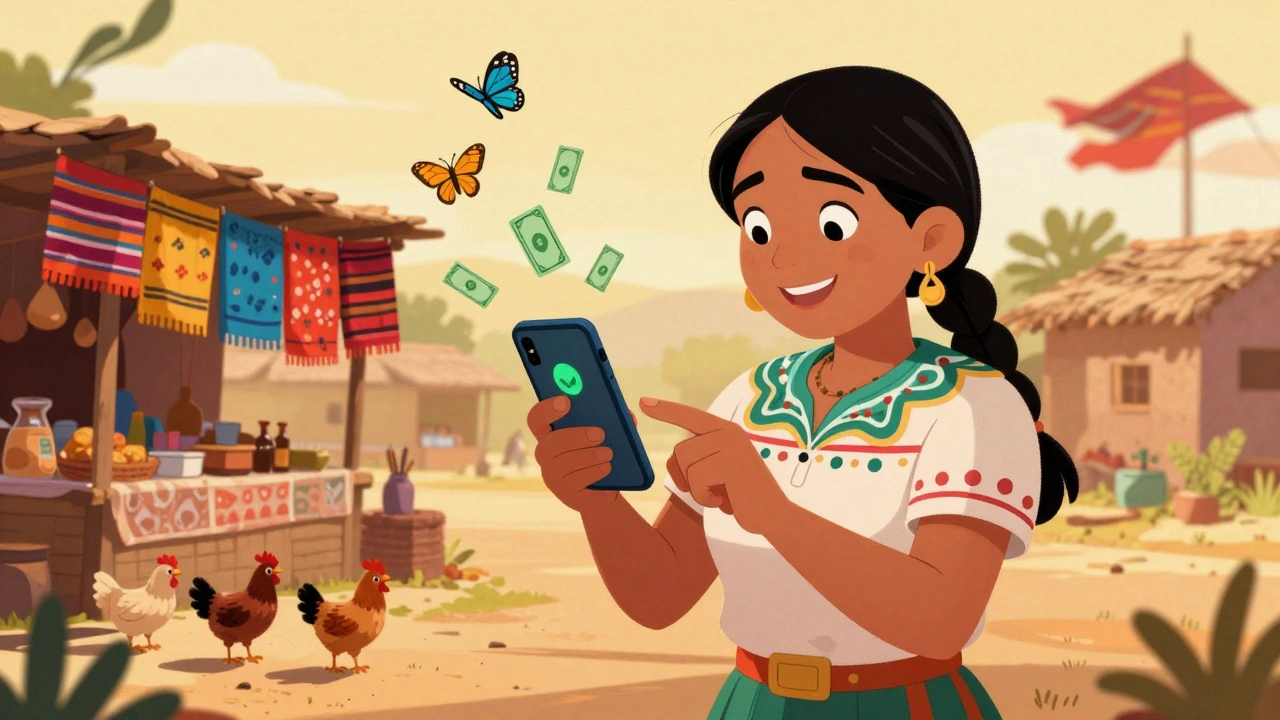
How Fintech Is Democratizing Access to Financial Services
Fintech is breaking down barriers to banking for 1.7 billion unbanked adults worldwide. With mobile money, AI lending, and zero-fee apps, people in rural areas and developing economies are finally gaining control over their finances.