Fingerprint Recognition: How Biometric Security Works and Why It Matters for Your Finances
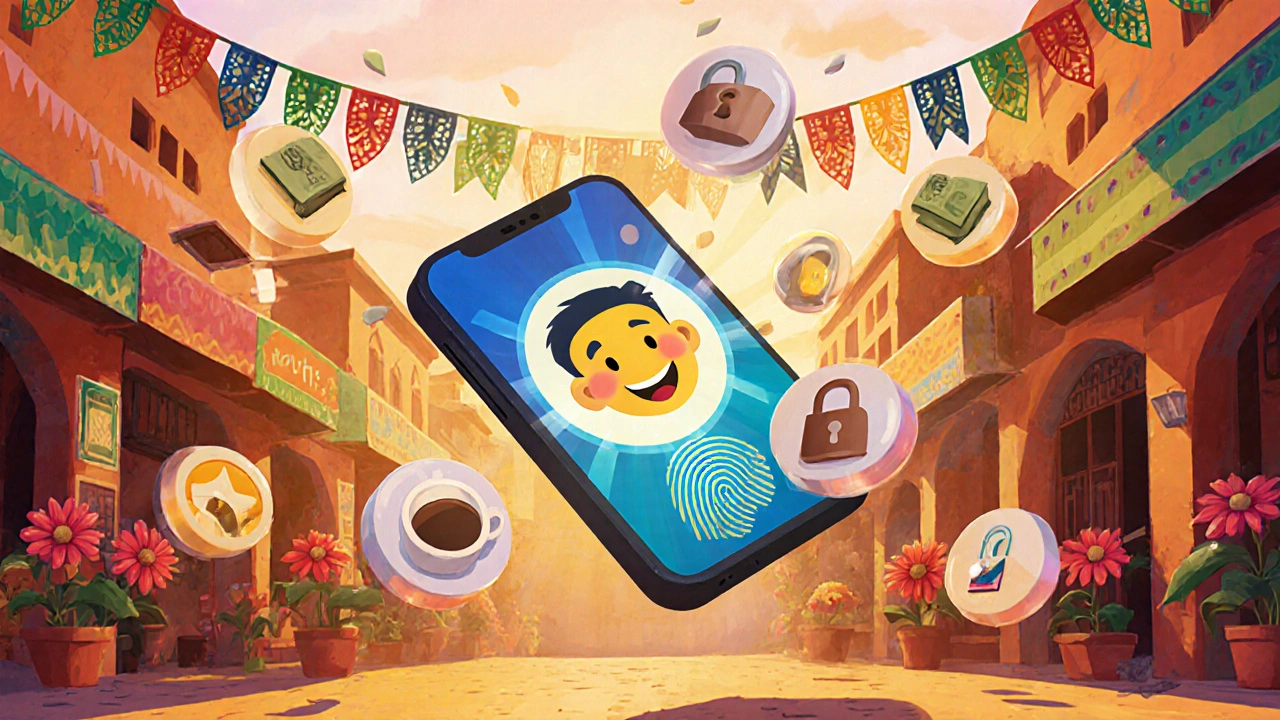
When you unlock your phone with your thumb, you’re using fingerprint recognition, a biometric technology that maps the unique ridges and valleys of your finger to verify your identity. Also known as biometric authentication, it’s faster than passwords and harder to fake—which is why banks, payment apps, and brokers now rely on it to keep your money safe. But it’s not magic. Behind the scenes, your fingerprint is turned into a digital template—not a picture—and stored locally on your device. That’s why Apple Pay and Google Pay can work offline. If someone steals your phone, they can’t steal your fingerprint data because it never leaves your device.
That’s the good part. The tricky part? biometric security, the broader system that includes fingerprints, facial scans, and voice patterns to confirm who you are isn’t foolproof. Hackers have used fake fingerprints made from silicone or lifted prints off glasses to trick older sensors. And while modern phones use 3D mapping and live detection to stop that, not all apps or financial platforms have upgraded. If you’re using a third-party finance app that asks for fingerprint access, check if it stores data on its servers. If it does, you’re trading convenience for risk.
mobile payment security, the protection of transactions made through digital wallets like Apple Pay, PayPal, or Venmo depends heavily on fingerprint recognition. It’s the first line of defense when you tap to pay or send money. But here’s what most people miss: your fingerprint doesn’t replace other security layers. It just adds one. The real protection comes from encryption, tokenization, and fraud monitoring systems working together. That’s why apps like Cash App and Revolut still send SMS alerts—even after you’ve unlocked with your thumb.
Fraud detection systems in finance are starting to combine fingerprint data with behavior patterns—like how hard you press, the speed of your swipe, or even the angle of your finger. These subtle cues help spot impersonation before a transaction goes through. Banks in emerging markets are using this to fight fraud without needing customers to remember complex passwords. But if your app only uses a basic 2D scan, you’re not getting that extra layer.
So where does this leave you? Fingerprint recognition is a solid tool—but only if you understand its limits. Don’t assume it makes you invincible. Use it with strong device passwords, two-factor authentication, and regular app updates. Check your bank’s security settings: can you turn off fingerprint login? Can you see which devices are linked? Most people never look. That’s the real risk—not the fingerprint itself, but the false sense of safety it creates.
Below, you’ll find real-world guides on how biometric systems are used in digital wallets, what happens when they fail, and how fraud detection tools are evolving to stay ahead of new tricks. Whether you’re using a neobank, investing through a mobile app, or just paying for coffee with your phone, this collection gives you the facts—not the marketing.
Biometric Authentication: Fingerprint vs Face Recognition for Secure FinTech
Fingerprint and face recognition are the two leading biometric methods in fintech security. Learn how they work, where they fail, and which one you should trust for your money in 2025.