Financial Inclusion: How Fintech Is Bringing Banking to the Unbanked
When we talk about financial inclusion, the process of ensuring individuals and businesses have access to useful and affordable financial products and services. Also known as inclusive finance, it’s not just about having a bank account—it’s about being able to save, borrow, pay bills, and build wealth without being locked out by cost, geography, or bureaucracy. Right now, over 1.4 billion people globally still don’t have access to basic banking. But that’s changing fast, thanks to tools built for the real world—not the boardroom.
Fintech, technology-driven financial services that improve access and efficiency is the main driver behind this shift. From apps that let you get paid early without a loan to digital wallets that work on basic phones, fintech cuts out the middlemen who used to charge too much or say no. In Kenya, M-Pesa turned mobile phones into banks for millions. In India, UPI lets anyone send money with just a phone number. And in the U.S., earned wage access, a system that lets workers withdraw part of their already-earned pay before payday is replacing predatory payday loans with a simple, fee-free alternative. These aren’t experiments—they’re daily tools for people who’ve been ignored by traditional finance.
It’s not just about sending money. digital banking, banking services delivered through mobile apps and online platforms without physical branches is making it easier for small businesses in rural areas to get paid, track expenses, and even apply for credit. Meanwhile, central bank digital currencies, government-backed digital money issued by national banks are being tested in over 100 countries, with some aiming to reach the unbanked directly—bypassing banks entirely. These aren’t just tech upgrades. They’re infrastructure changes that put power back in people’s hands.
And it’s working. People who once paid $50 to cash a check now use an app. Farmers who couldn’t get a loan now sell crops and get paid instantly. Grandparents who never trusted banks now use voice-controlled apps to check balances. Financial inclusion isn’t a charity project. It’s a smarter, more efficient system that works for everyone—not just the wealthy or the urban.
Below, you’ll find real-world breakdowns of the tools, policies, and platforms making this shift possible. From how BNPL fees affect small retailers to why biometric login is safer than passwords for people without IDs, these posts show you exactly how financial inclusion is being built—not promised, but delivered, one app, one transaction, one person at a time.
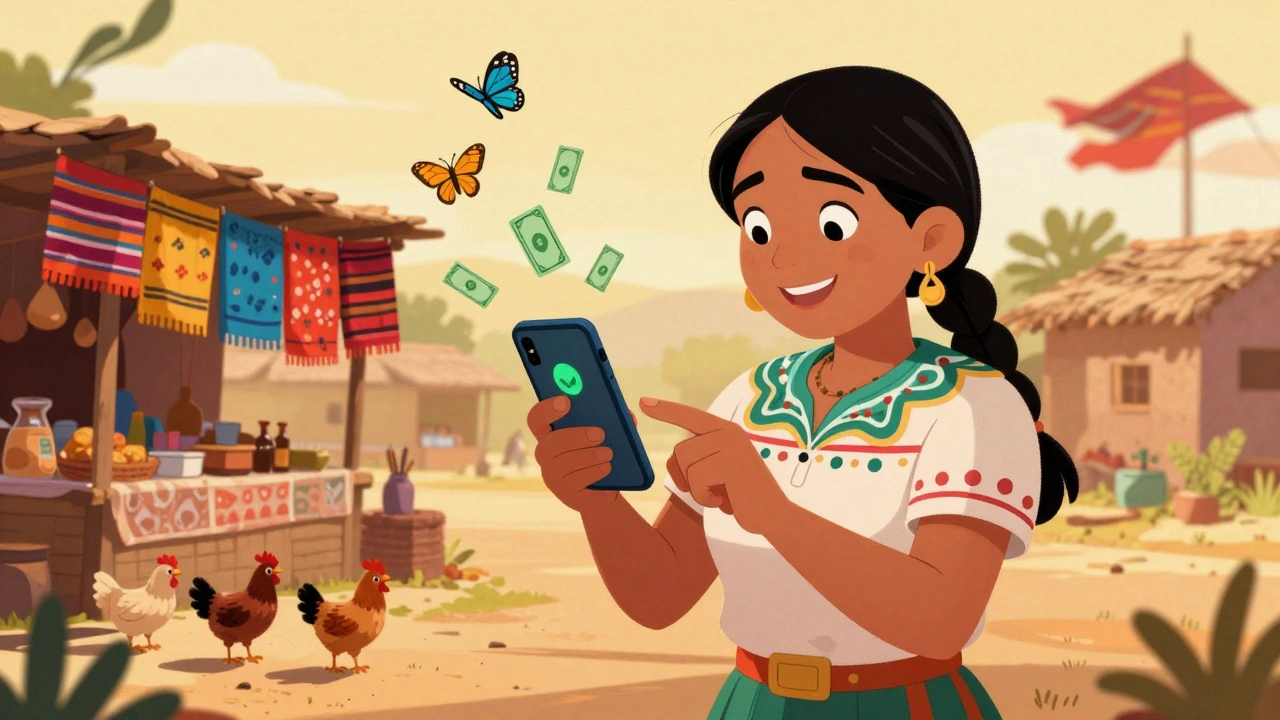
How Fintech Is Democratizing Access to Financial Services
Fintech is breaking down barriers to banking for 1.7 billion unbanked adults worldwide. With mobile money, AI lending, and zero-fee apps, people in rural areas and developing economies are finally gaining control over their finances.