Face Recognition: How Biometric Tech Is Changing Finance and Privacy
When you unlock your phone with your face, or log into your bank app without typing a password, you’re using face recognition, a biometric technology that identifies people by analyzing unique facial features. Also known as facial authentication, it’s no longer just for smartphones—it’s now a core part of how banks, payment apps, and investment platforms verify who you are. This isn’t science fiction. Major brokers and neobanks now use it to replace passwords, reduce fraud, and speed up account access. But behind the convenience lies a complex trade-off: speed and security versus privacy and control.
Face recognition relies on biometric authentication, a method of verifying identity using physical traits like fingerprints, iris patterns, or facial structure. Unlike passwords, which can be guessed or stolen, your face is unique—and hard to replicate. But it’s not foolproof. Hackers have used 3D masks, deepfakes, and photo manipulation to trick systems. And once your facial data is compromised, you can’t reset it like a password. That’s why financial privacy, the right to control how your personal data is collected, stored, and shared by financial institutions is now just as important as your account balance. Regulators in the EU and California are starting to demand transparency: Can you opt out? Is your data encrypted? Who has access to it?
What you’ll find in these articles isn’t a tech manual—it’s a real-world look at how face recognition is being used (and misused) in finance. You’ll see how AI-driven AI security, the use of machine learning to detect fraud, monitor transactions, and verify identities in real time helps banks stop scams before they happen. You’ll learn why some apps require face scans just to deposit a check, and how that ties into broader trends like identity verification, the process of confirming a user’s identity through digital means to prevent fraud and comply with regulations in open banking. Some posts show you how to spot when a platform is overreaching. Others explain how to protect yourself if your biometric data gets leaked. This isn’t about whether the tech is good or bad. It’s about understanding what you’re giving up—and what you’re gaining—when you let a camera look at your face to access your money.
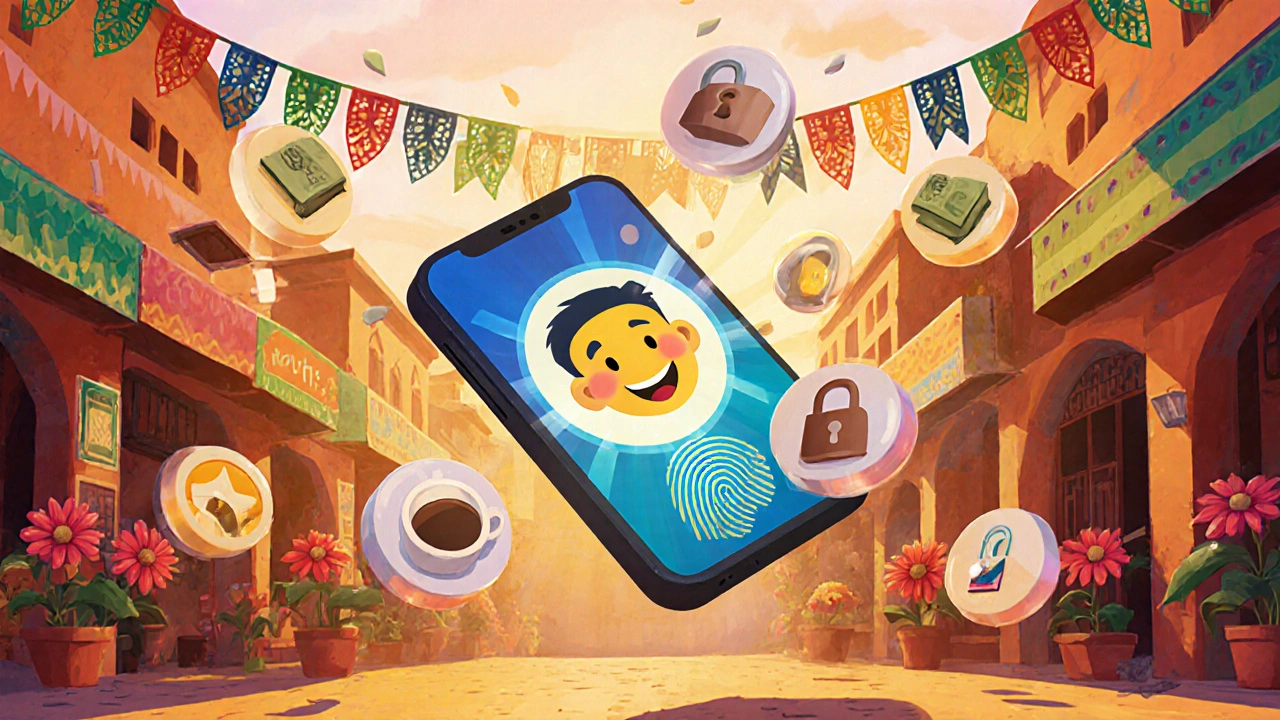
Biometric Authentication: Fingerprint vs Face Recognition for Secure FinTech
Fingerprint and face recognition are the two leading biometric methods in fintech security. Learn how they work, where they fail, and which one you should trust for your money in 2025.