Face ID: How Biometric Security Works and Why It Matters for Your Finances
When you unlock your phone with your face, you’re using Face ID, a biometric authentication system that maps your facial features using infrared dots and machine learning. Also known as facial recognition, it’s become the default way millions of people access their banking apps, payment services, and investment platforms—without typing a single password. But Face ID isn’t just about convenience. It’s a critical layer of protection against fraud, especially when your phone holds your digital wallet, brokerage accounts, and transaction history.
Behind the scenes, Face ID uses a depth sensor, a hardware module that projects over 30,000 invisible infrared dots to create a 3D map of your face. This map is stored securely on your device—not in the cloud—and updated over time as your appearance changes. That’s why it still works even if you grow a beard or wear glasses. But here’s what most people don’t realize: biometric security, the broader category that includes Face ID, fingerprint scanning, and voice recognition, is now built into nearly every major financial app. Apple Pay, Google Pay, and even brokerage apps like Fidelity and Schwab rely on it to verify your identity before letting you transfer money or place a trade.
That’s great—until something goes wrong. Face ID can be fooled by identical twins, high-resolution photos, or even sophisticated 3D masks. And while banks and payment apps layer on extra protections, your biometric data isn’t covered by the same rules as your credit card number. Once compromised, you can’t reset your face like you reset a password. That’s why mobile payment security, the practice of protecting financial transactions through devices and apps, isn’t just about using Face ID—it’s about knowing when to turn it off, how to spot phishing attempts that trick you into approving payments, and what to do if your phone is stolen.
Look at the posts below. You’ll find real-world breakdowns of how digital wallets protect your money, what happens when your trading app crashes, how brokers manage your cash, and how AI is used to stop fraud. None of it matters if your face can be copied. Face ID makes financial access faster, but it doesn’t make you invincible. The real security comes from understanding how it works, where it’s used, and when to rely on something stronger. What you’re about to read isn’t just about tech—it’s about protecting what’s yours.
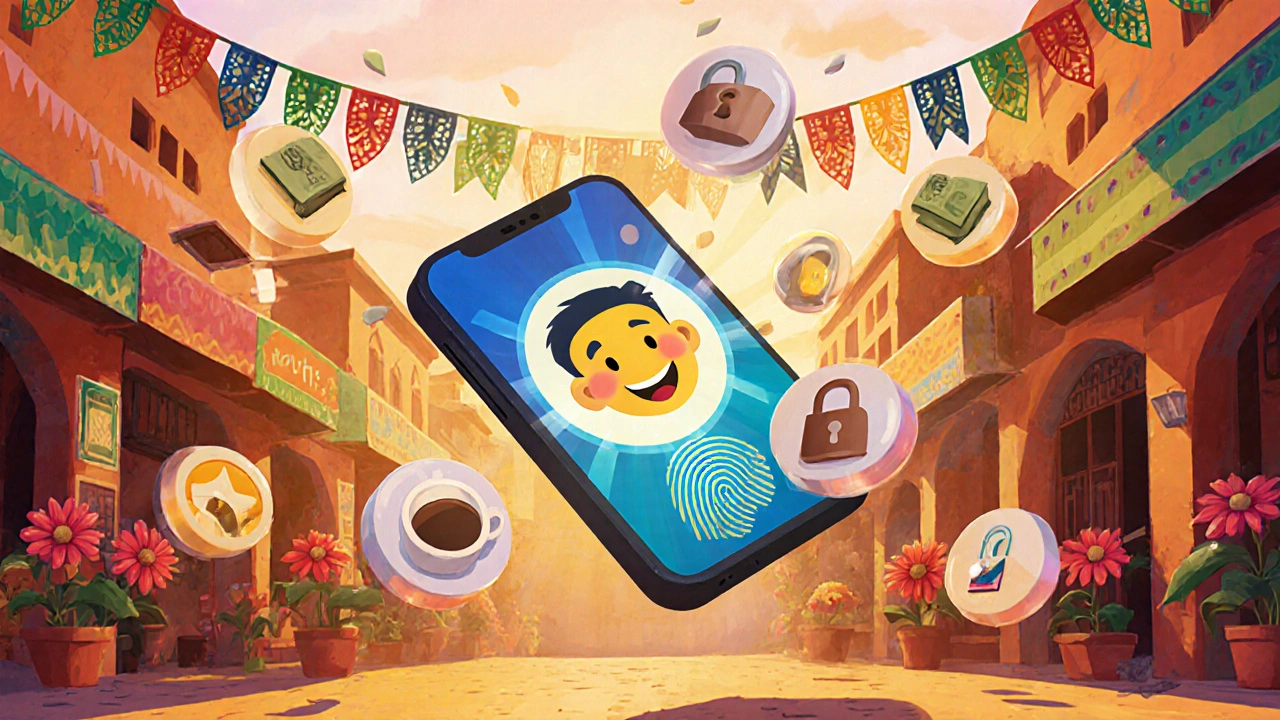
Biometric Authentication: Fingerprint vs Face Recognition for Secure FinTech
Fingerprint and face recognition are the two leading biometric methods in fintech security. Learn how they work, where they fail, and which one you should trust for your money in 2025.