BNPL Impact on Profits: How Buy Now, Pay Later Affects Business Bottom Lines
Buy Now, Pay Later, a short-term financing option that lets customers split payments without interest, often at checkout. Also known as BNPL, it’s become a standard feature on e-commerce sites—from Amazon to small boutiques—because it boosts sales and conversion rates. But behind the shiny checkout button, the real question isn’t whether it drives sales—it’s whether it actually improves profits.
For merchants, BNPL isn’t free. Every transaction comes with a fee—usually 3% to 8%—paid to the BNPL provider like Klarna, Afterpay, or Affirm. That’s money straight out of your margin. And while customers may buy more because they can pay later, if those extra sales come with lower profit per unit, you’re not winning—you’re just selling more at a thinner cut. Some retailers see higher overall revenue, but their net profit drops because they’re paying more in fees than they gain in volume. Meanwhile, defaults are rising. In 2024, the average BNPL default rate jumped to 4.2%, up from 2.8% in 2022. That’s not just a credit risk—it’s a direct hit to your bottom line when the BNPL provider passes those losses back to you.
Merchant fees, the percentage charged by BNPL providers for processing installment payments are the most visible cost, but they’re not the only one. There’s also the impact on customer behavior. Shoppers who use BNPL are more likely to return items because they don’t feel the full cost upfront. Returns cost retailers an average of $5.50 per item in processing and restocking—money that doesn’t come back. And then there’s the consumer credit, the underlying financial health of BNPL users, often younger or underbanked customers with limited credit history. When economic pressure hits, these customers are the first to miss payments. That means more chargebacks, more disputes, and more administrative work for your team.
Some businesses use BNPL as a marketing tool to compete with big players, but they’re not tracking the full cost. They see 20% more sales and think they’re ahead—until they look at their profit and loss statement. The real winners are the BNPL platforms themselves, who collect fees, earn interest on late payments, and sell customer data. For you? It’s a trade-off: more volume, less margin, more risk.
This collection of posts dives into the hidden financial mechanics behind BNPL. You’ll find real breakdowns of how fees eat into profits, how default rates vary by industry, and what steps you can take to negotiate better terms or even avoid BNPL altogether if it’s hurting your business. Whether you run a small online store or manage a retail chain, these guides show you how to stop guessing and start measuring the true impact of BNPL on your bottom line.
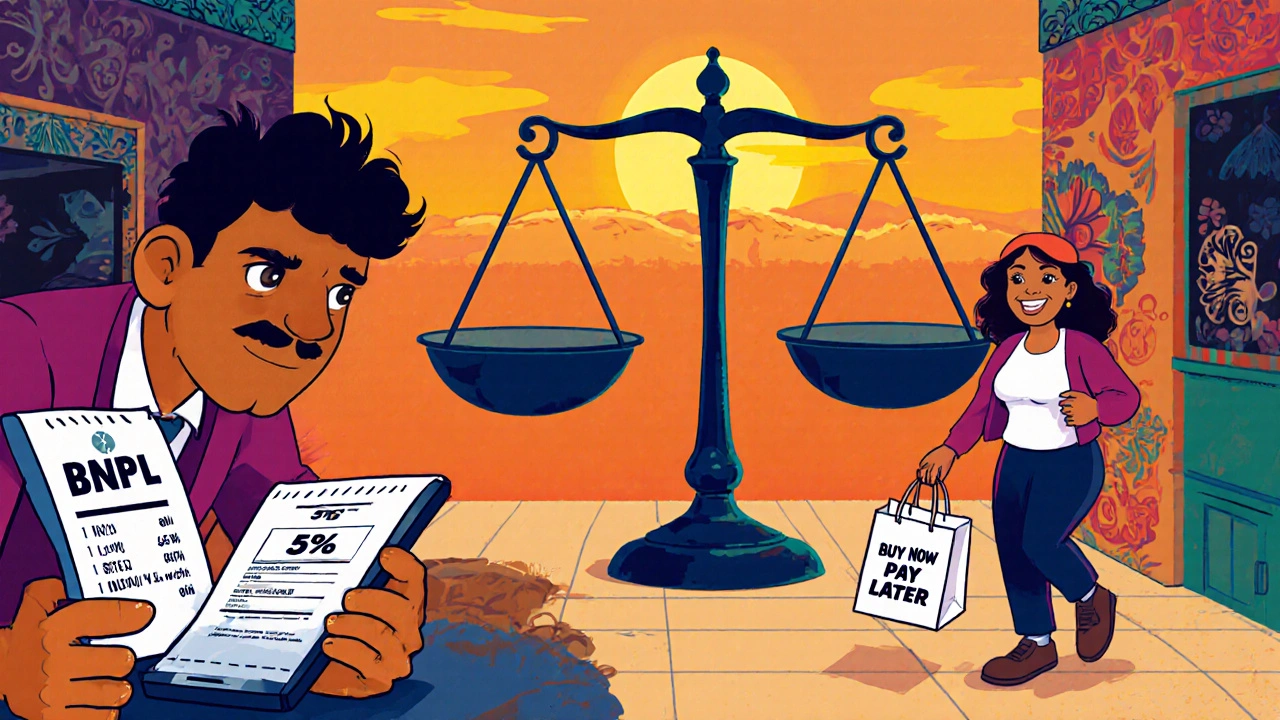
BNPL Merchant Fees: How Installments Are Reshaping Retail Profit Margins
BNPL merchant fees average 4-6%, far above credit card rates, but retailers use it because it boosts sales by 20-40%. Learn how to use BNPL without killing your margins and what’s changing in 2025.