Special Dividends: What They Are and How They Impact Your Portfolio
When a company pays out a special dividend, a one-time cash payment to shareholders that’s separate from its regular quarterly dividend. Also known as extra dividends, it’s not a routine payout—it’s a surprise bonus. Unlike regular dividends, which companies try to keep steady or grow slowly, special dividends happen when there’s extra cash lying around—maybe from selling a division, a big tax refund, or a windfall from strong sales.
These payouts are tied to cash flow, the actual money a company has on hand after covering operating costs, debt, and reinvestment. If a company like Apple or Microsoft suddenly has $10 billion in cash and no urgent need to spend it, they might return some of it to you. That’s not a sign of weakness—it’s often a signal they’ve hit a peak in growth and don’t have better uses for the money. But it’s also not guaranteed. Companies don’t promise these. They can cancel them anytime, which makes them different from regular dividends that investors come to expect.
Special dividends relate closely to shareholder returns, how companies give value back to investors, whether through dividends, buybacks, or other distributions. Some firms prefer buybacks because they’re more flexible. Others pick special dividends when they want to be clear and direct with shareholders. Either way, you get cash in your account—no selling shares needed. That cash can be reinvested, spent, or saved. But don’t get fooled: a big special dividend doesn’t mean the stock price will keep rising. The market usually adjusts the price down by the dividend amount on the ex-dividend date, so your total value doesn’t magically increase.
You’ll find special dividends more often in mature industries—like energy, telecom, or big tech—where profits are steady and growth has slowed. Startups? Rarely. They’re busy reinvesting every dollar. But companies with strong balance sheets and low debt? They’re the ones writing those checks. And when they do, it’s usually a big one. Some special dividends are 2x, 5x, even 10x the size of their regular payout. That’s why investors keep an eye on earnings calls and press releases. A special dividend can be a rare chance to boost your income without buying more stock.
But here’s the catch: taxes. In the U.S., special dividends are usually taxed as ordinary income, not at the lower qualified dividend rate. That means if you’re in a higher tax bracket, you could lose a big chunk to the IRS. And if you hold these stocks in a taxable account, you need to plan for it. That’s something you won’t see in most basic investing guides, but it’s real money you need to account for.
What you’ll find below are real, practical breakdowns of how special dividends work in the wild—from how to spot them before they’re announced, to how they affect your portfolio’s cash flow, to why some investors chase them and others avoid them. No fluff. No theory. Just what you need to know to decide if a special dividend is a gift… or just noise.
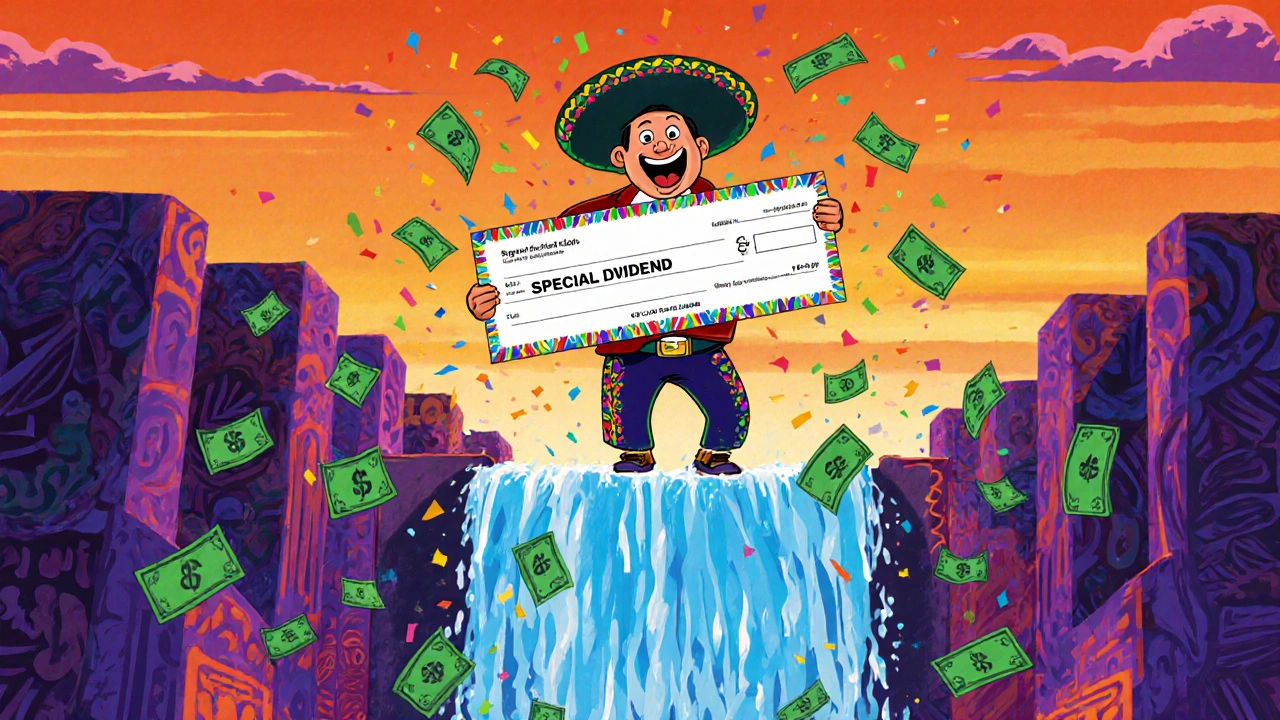
Special Dividends: What One-Time Payments Mean for Your Portfolio
Special dividends are one-time cash payments from companies to shareholders, often triggered by asset sales or record profits. Learn what they mean for your portfolio, how they're taxed, and whether they signal strength or weakness.