Rate Hikes: How Rising Interest Rates Impact Your Investments and Wallet
When the rate hikes, increases in the central bank’s benchmark interest rate aimed at slowing inflation. Also known as interest rate increases, they’re not just policy jargon—they directly change how your money grows, earns, or loses value. Every time the Federal Reserve raises rates, it’s like turning up the heat on the entire economy. Borrowing gets more expensive, savings accounts finally start paying real interest, and stock markets often shake off gains. You don’t need to be an economist to feel it—you see it when your credit card bill jumps, your new car loan has a higher monthly payment, or your bond fund drops in value.
Rate hikes don’t happen in a vacuum. They’re usually a reaction to inflation, the steady rise in prices for goods and services that eats away at your purchasing power. When groceries, rent, and gas cost more each month, the Fed steps in to cool things down. But the cure can feel worse than the disease. Higher rates make companies borrow less, spend less, and sometimes lay off workers. That’s why tech stocks and growth-oriented ETFs often get hit hardest—they rely on cheap money to fuel future profits. Meanwhile, bond yields, the return you earn on fixed-income investments like Treasuries and corporate bonds go up, making them more attractive. If you’ve been waiting for a decent return on cash, this might be your moment.
And it’s not just about stocks and bonds. Rate hikes ripple through everything. Real estate slows as mortgages get pricier. Small businesses delay expansion. Even your emergency fund starts earning more in a high-yield savings account. The key is knowing which assets benefit and which get crushed. You don’t need to time the market—just understand how rate hikes shift the landscape. The posts below give you real, no-fluff breakdowns of what’s happening behind the headlines: how broker cash sweeps now pay over 4% interest, why dividend stocks are getting revalued, and how to protect your portfolio when rates keep climbing. No theory. No hype. Just what you need to know to keep your money working for you.
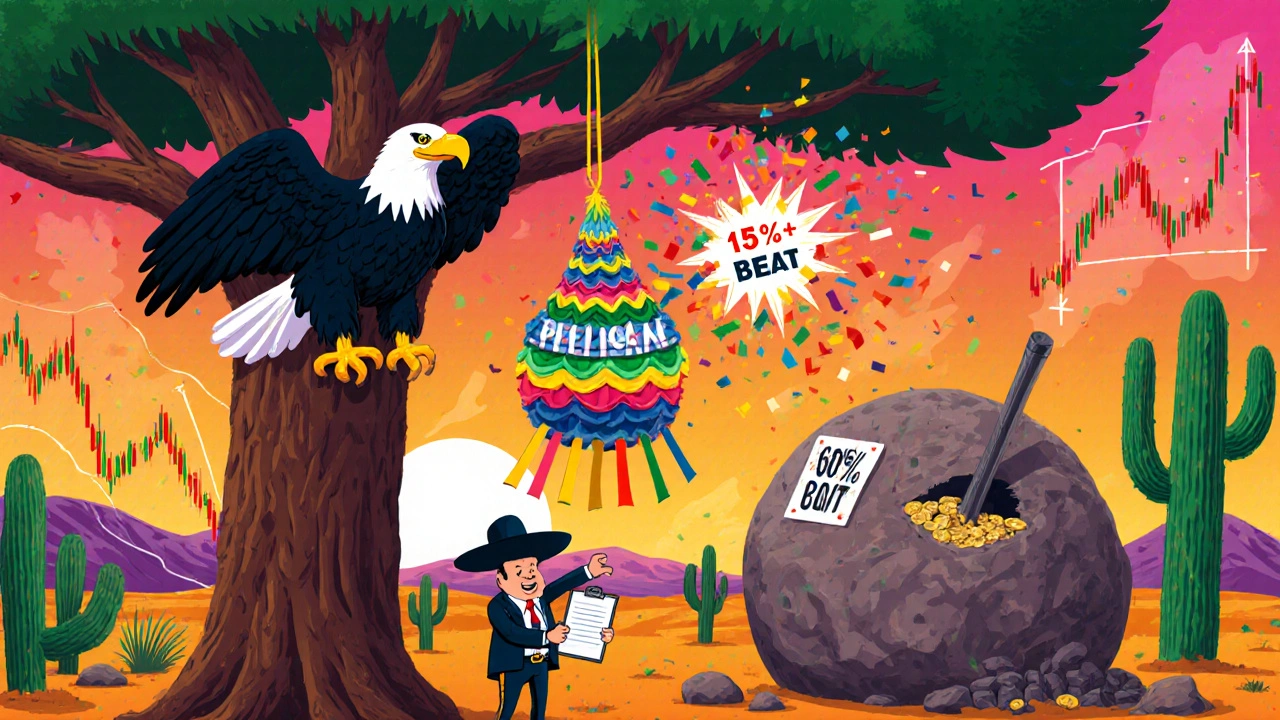
Event-Driven Rebalancing: How Rate Hikes, Earnings, and Policy Change Your Portfolio
Event-driven rebalancing uses real market events-like Fed rate hikes, earnings surprises, and policy shifts-to adjust your portfolio. It outperforms traditional methods during volatile periods and reduces volatility, but requires discipline to avoid false triggers and unnecessary trading costs.