Portfolio Rebalancing: How to Keep Your Investments on Track
When you invest, your portfolio rebalancing, the process of adjusting your investment mix to maintain your original target allocation. Also known as portfolio adjustment, it’s not about chasing hot stocks—it’s about staying calm when markets move. Over time, some assets grow faster than others. If you bought equal parts stocks and bonds, and stocks surged 30% last year, now your portfolio might be 70% stocks and 30% bonds. That’s not your plan anymore. That’s risk you didn’t sign up for.
Without rebalancing, your asset allocation, the percentage of your portfolio in different asset classes like stocks, bonds, and cash. Also known as investment mix, it drifts away from what’s right for your age, goals, and risk tolerance. A 30-year-old might start with 80% stocks, but if those stocks explode, they’re suddenly holding way more risk than they intended. Meanwhile, someone near retirement who wanted 40% stocks might end up with only 25% after a crash—and miss the recovery. Rebalancing brings you back to your plan. It’s not timing the market. It’s sticking to your strategy when emotions run high.
It’s not just about stocks and bonds. risk management, the practice of identifying, assessing, and reducing potential losses in your investments. Also known as investment risk control, it is built into rebalancing. When one part of your portfolio gets too big, you sell some of it—not because it’s overpriced, but because it’s become too dominant. You use that money to buy what’s fallen behind. That’s buying low and selling high, without the guesswork. It’s automatic discipline. And it works. A 2022 study from Vanguard showed that investors who rebalanced annually had higher returns and lower volatility than those who didn’t, even over 20-year periods.
You don’t need fancy tools. You can do it manually once a year, or when any asset class moves more than 5% from its target. Some brokers even do it for you automatically. But if you ignore it, you’re letting chance run your portfolio. The market doesn’t care about your plan. Only you do.
Below, you’ll find real-world guides on how to rebalance without overpaying, how to handle it in tax-advantaged accounts, what to do when markets are wild, and how to avoid the traps that sink most investors. Whether you’re just starting out or have been investing for years, these posts give you the clear steps you need to stay in control.
Event-Driven Rebalancing: How Rate Hikes, Earnings, and Policy Change Your Portfolio
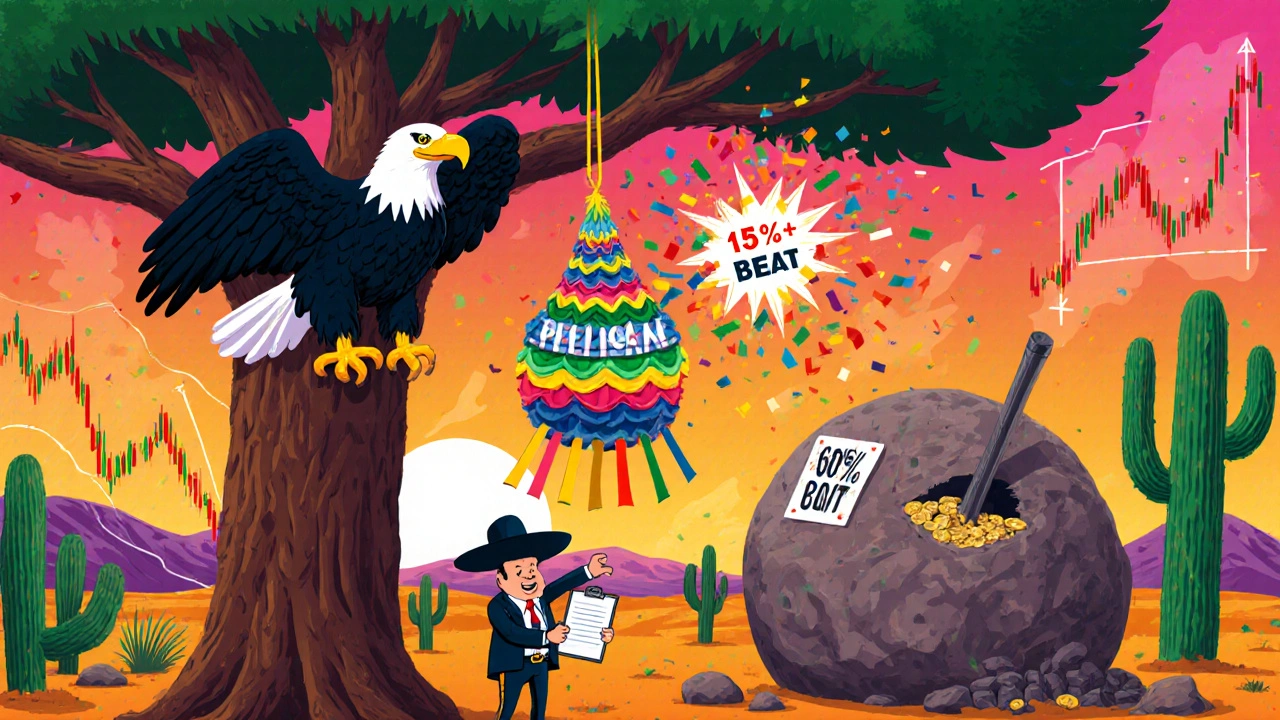
Event-driven rebalancing uses real market events-like Fed rate hikes, earnings surprises, and policy shifts-to adjust your portfolio. It outperforms traditional methods during volatile periods and reduces volatility, but requires discipline to avoid false triggers and unnecessary trading costs.