Extra Dividend: What It Is, Why It Matters, and How to Spot It
When a company pays an extra dividend, a one-time cash payment to shareholders on top of their regular dividends. Also known as a special dividend, it’s not part of the usual quarterly schedule—it’s a bonus. This isn’t just a random gift. It usually means the company has more cash than it knows what to do with—maybe from strong sales, asset sales, or tax changes—and it’s choosing to send some back to you, the owner.
Extra dividends are different from regular ones. Regular dividends come every quarter, like clockwork, and companies often try to grow them slowly over time. An extra dividend? It’s a surprise. It doesn’t repeat. It might happen once, or never again. That’s why you can’t count on it for your income plan. But when it shows up, it can give your portfolio a real boost. Some companies use extra dividends to return capital after selling a division, clearing out cash from a big contract, or avoiding higher taxes. Others do it to signal confidence—"We’re doing so well, we can afford to give you more." Companies like Apple, Microsoft, and even smaller firms in emerging markets have paid extra dividends after big earnings seasons or asset sales. You’ll see them announced in press releases, not in the usual dividend calendar. And here’s the catch: if you buy the stock right before the ex-dividend date, the date after which new buyers aren’t eligible for the upcoming dividend payout. you’ll get the extra cash. But the stock price usually drops by the same amount the day after, so you’re not magically gaining money—you’re just getting paid early. That’s why chasing extra dividends blindly is a trap. Look at the company’s health, not just the payout.
What you’ll find in these posts isn’t just theory. You’ll see real examples of companies that paid extra dividends and what happened next. You’ll learn how to spot the warning signs—like a company with low cash reserves suddenly paying out big. You’ll also see how extra dividends interact with dividend growth, a strategy focused on companies that steadily increase their payouts over time. One builds long-term wealth. The other gives you a quick cash boost. And sometimes, they overlap. You’ll get practical advice on how to track these payments, what to look for in filings, and how to avoid getting burned by companies that use extra dividends to mask deeper problems. This isn’t about getting rich overnight. It’s about understanding when a bonus is a gift—and when it’s a distraction.
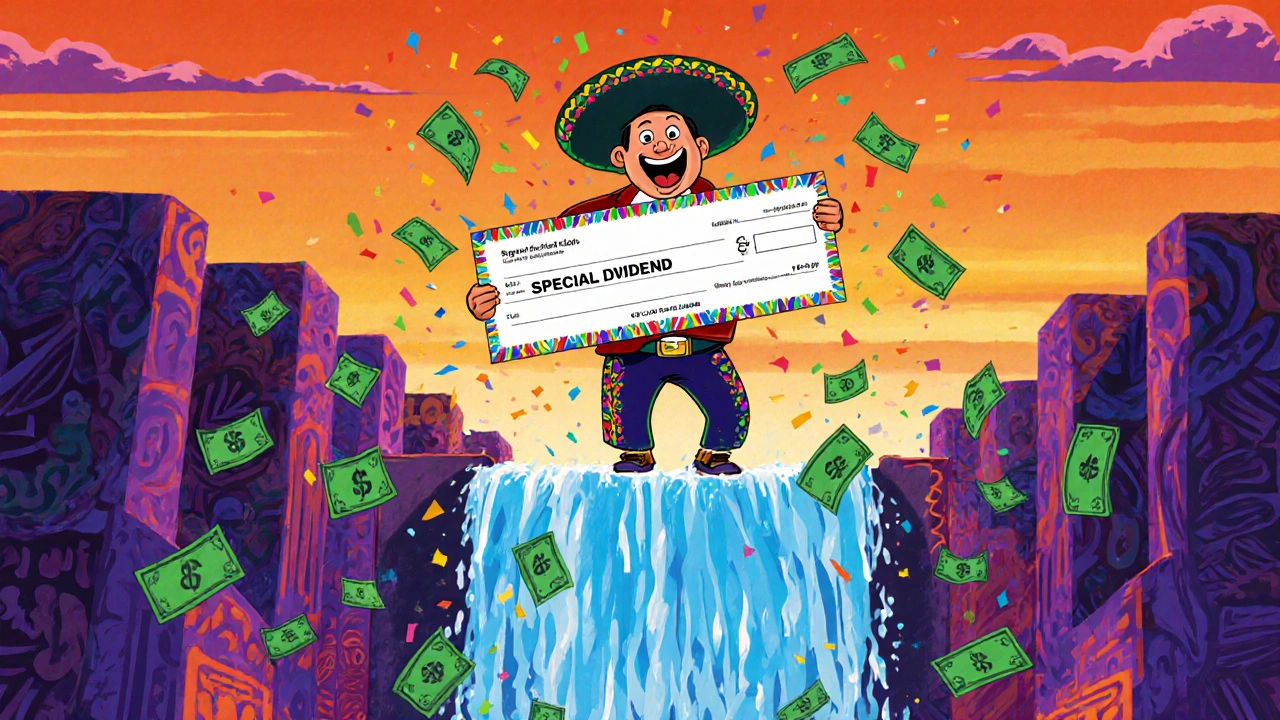
Special Dividends: What One-Time Payments Mean for Your Portfolio
Special dividends are one-time cash payments from companies to shareholders, often triggered by asset sales or record profits. Learn what they mean for your portfolio, how they're taxed, and whether they signal strength or weakness.