Event-Driven Rebalancing: When Market Moves Trigger Your Portfolio Changes
When you hear event-driven rebalancing, a portfolio adjustment triggered by specific market events rather than a fixed calendar schedule. It’s not about checking your holdings every quarter—it’s about reacting when something meaningful happens, like a stock doubling in value, a sector crashing, or a central bank making a surprise move. Unlike routine rebalancing, which follows a set date, this method waits for real signals. That means you’re not selling winners just because it’s the end of the quarter, and you’re not ignoring big shifts because your calendar says it’s not time yet.
This approach connects directly to how markets actually behave. For example, if a single stock in your portfolio jumps from 5% to 20% of your holdings after a earnings beat, that’s not diversification anymore—it’s concentration risk. asset allocation, the way you divide your money across different types of investments starts to break down. Event-driven rebalancing fixes that. It also ties into market events, unexpected or significant occurrences that move prices, like earnings surprises, geopolitical shocks, or interest rate decisions. These aren’t just headlines—they’re triggers. A 10% drop in emerging markets? That’s not noise. It’s a signal your portfolio might be out of balance. A sudden spike in bond yields? That could mean your fixed income exposure needs recalibrating.
People who use event-driven rebalancing don’t just watch their portfolios—they watch the world. They track things like corporate actions, regulatory shifts, and currency swings. They know that a special dividend isn’t just extra cash—it’s a sign a company’s capital structure is changing, which might mean it’s time to trim that holding. They don’t ignore volatility; they use it. And they avoid the trap of mechanical rebalancing, which can force you to sell high and buy low just to hit a target percentage.
There’s a reason this method shows up in posts about broker cash sweeps, dividend investing, and even fintech security. Because all of it ties back to one truth: markets don’t move on a schedule. They move on news, data, and human behavior. Your portfolio should respond the same way. If you’re still rebalancing on January 1st and July 1st like clockwork, you’re leaving money on the table—and exposing yourself to risks you could’ve avoided.
Below, you’ll find real examples of how investors use event-driven rebalancing to stay ahead—not just when markets are calm, but when they’re shaking. You’ll see how it works with ETFs, bonds, and even penny stocks. You’ll learn what triggers actually matter, and which ones you can safely ignore. No theory. No fluff. Just what works when your money’s on the line.
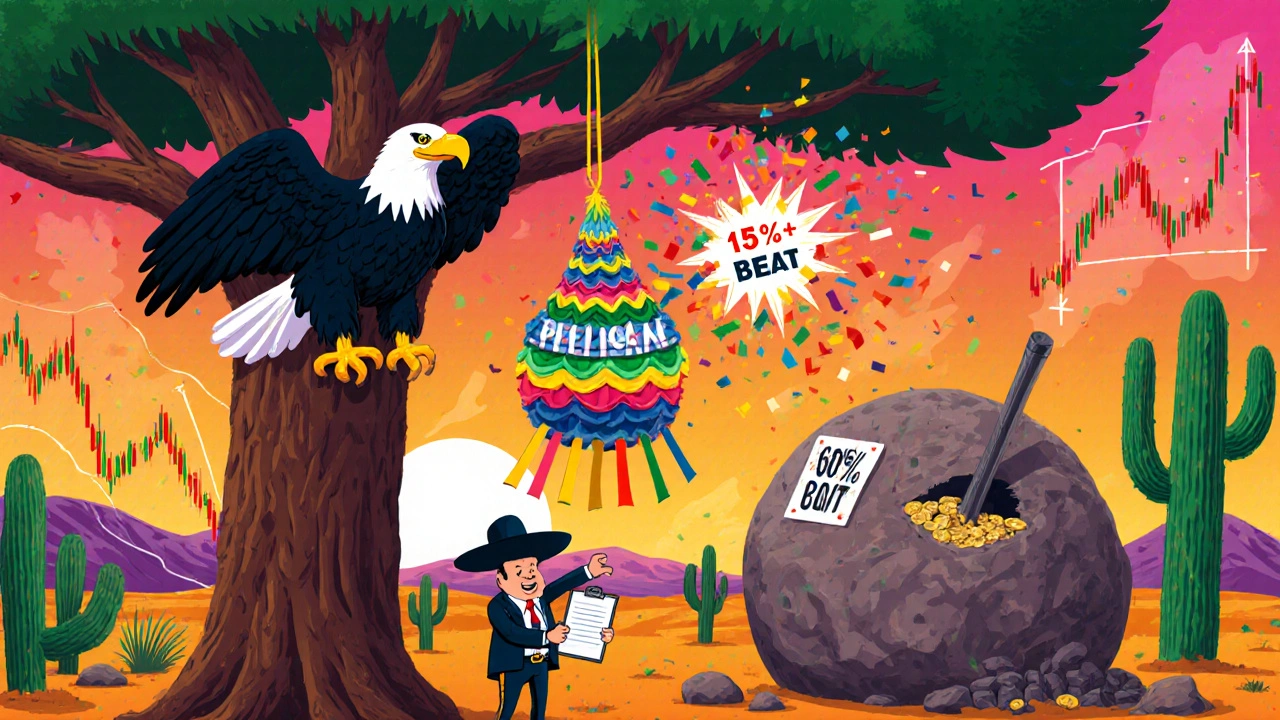
Event-Driven Rebalancing: How Rate Hikes, Earnings, and Policy Change Your Portfolio
Event-driven rebalancing uses real market events-like Fed rate hikes, earnings surprises, and policy shifts-to adjust your portfolio. It outperforms traditional methods during volatile periods and reduces volatility, but requires discipline to avoid false triggers and unnecessary trading costs.