Earnings Surprise: What It Means and How It Moves Markets
When a company reports earnings surprise, a difference between a company’s reported earnings and what analysts expected. Also known as an earnings beat or miss, it’s one of the most powerful short-term drivers of stock prices. It’s not about whether the number is good or bad—it’s about whether it matches what everyone thought would happen. A company making $1.20 a share when analysts predicted $1.15? That’s a surprise. A company making $1.10 when $1.15 was expected? That’s also a surprise—just the wrong kind.
These surprises don’t happen in a vacuum. They’re shaped by analyst estimates, projections made by financial analysts who track a company’s performance. These estimates come from models, past trends, and sometimes gut feelings. But when a company’s actual results swing outside that range—even by a few cents—it triggers a chain reaction. Traders react fast. Algorithms adjust. Prices move. And if you’re holding that stock, you feel it immediately. This is why earnings report, the official financial update companies release each quarter. isn’t just paperwork—it’s market-moving news.
What’s more, the size of the surprise matters less than the pattern. One big beat might get ignored if the company has a history of missing targets. One small miss could tank the stock if investors expected perfection. The real story is in consistency, context, and what’s said beyond the numbers. Guidance for next quarter, supply chain updates, or sudden cost cuts often matter more than the profit figure itself. That’s why seasoned investors don’t just chase earnings beats—they watch how companies talk about the future.
You’ll find posts here that break down real examples: how a 2% earnings surprise sent a small-cap stock up 25%, why some tech firms deliberately guide low to beat expectations, and how even a tiny miss can trigger a sell-off if the market is already nervous. You’ll also see how earnings surprises play out differently in emerging markets, where fewer analysts cover companies and rumors often drive prices before the report even drops. Whether you’re holding a single stock or a broad ETF, understanding this dynamic helps you react smarter—not just faster.
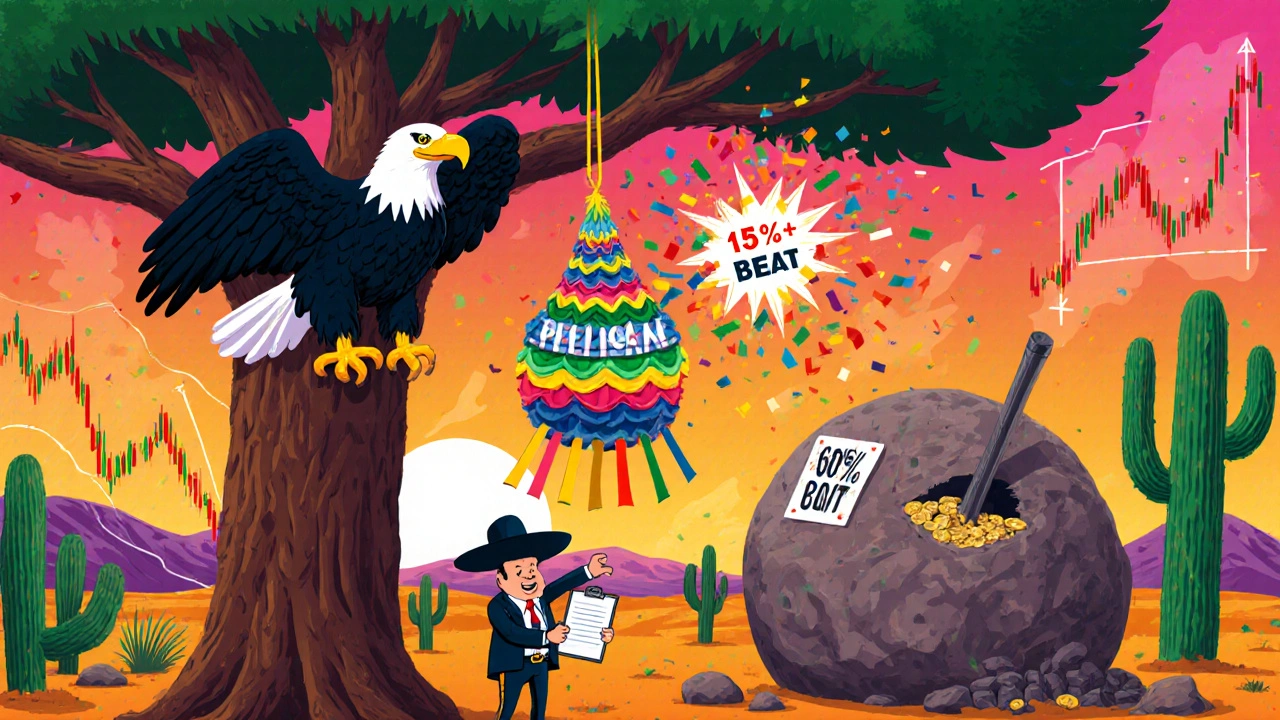
Event-Driven Rebalancing: How Rate Hikes, Earnings, and Policy Change Your Portfolio
Event-driven rebalancing uses real market events-like Fed rate hikes, earnings surprises, and policy shifts-to adjust your portfolio. It outperforms traditional methods during volatile periods and reduces volatility, but requires discipline to avoid false triggers and unnecessary trading costs.